
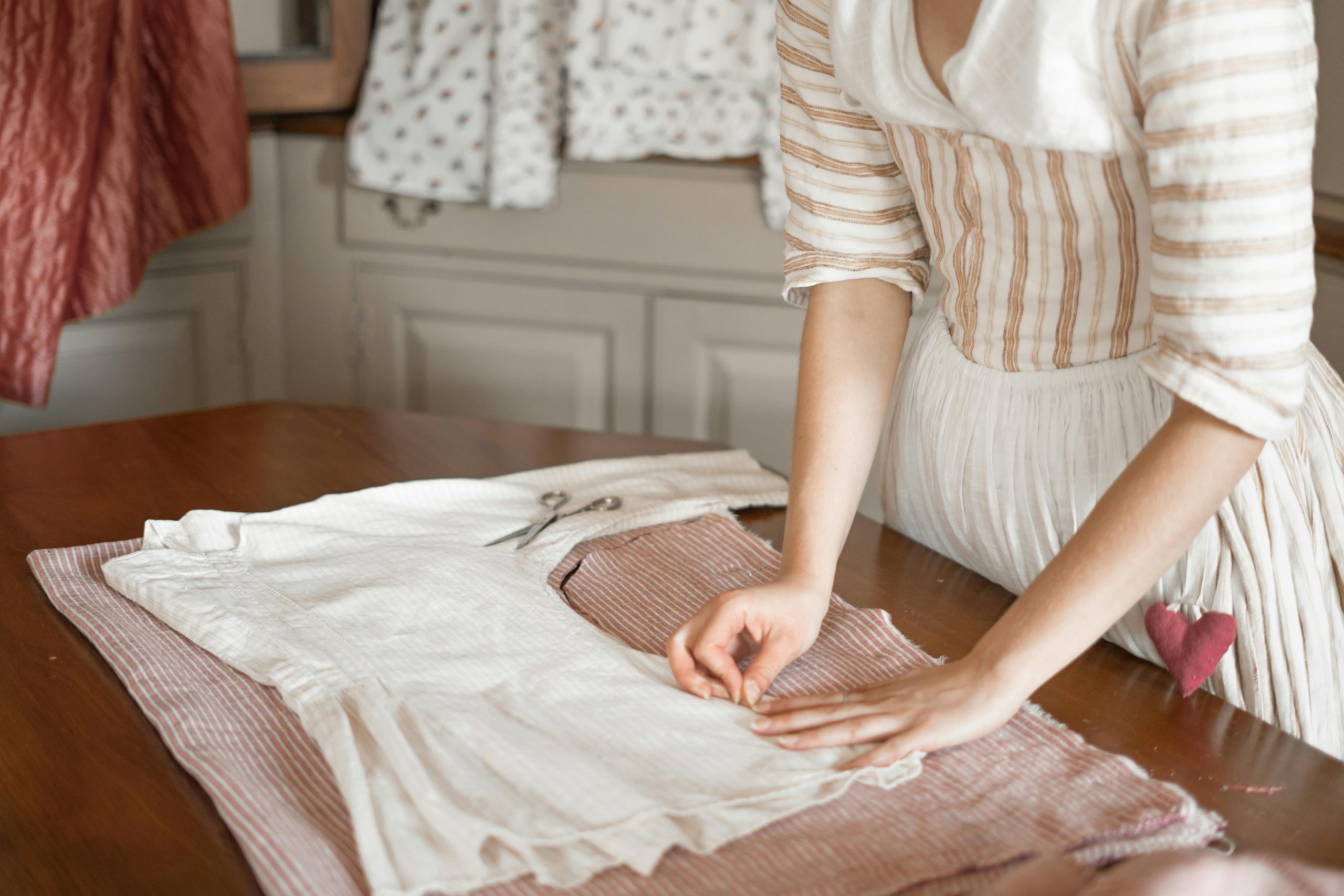
As I sit here watching YouTube videos while flat felling my 18th century shift I found myself pondering a contraversy.
I have made this shift by hand, no pattern only historical layout using my measurements. It has been entirely done by hand, back stitiching, running stitch, running back stitch and felling. Yet, for all the historical techniques and methods used this shift is not a historically accurate shift. Why?
Basically (much like people of the past) I am using fabric, in this case bed sheets, to create the shift. The sheets are a greenish teal. Despite being labled as 100% Egyptian cotton, the results of a burn test proved they are indeed 100% polyester!
Since the shift is colorful and also polyester this prevents my shift from being historically accurate. That's ok though because it was a mock up (something made to check fit and measurements) and it's something to wear around the house. Yet, what is the difference and why does it matter anyway?
Historically Accurate vs Historically Adequate
What's the Difference?
Historically Accurate
Most people wouldn't know or even wonder about the difference. At least not until they choose to history bound or become a part of historical reinactment. That's whey you find there is a distinct difference.
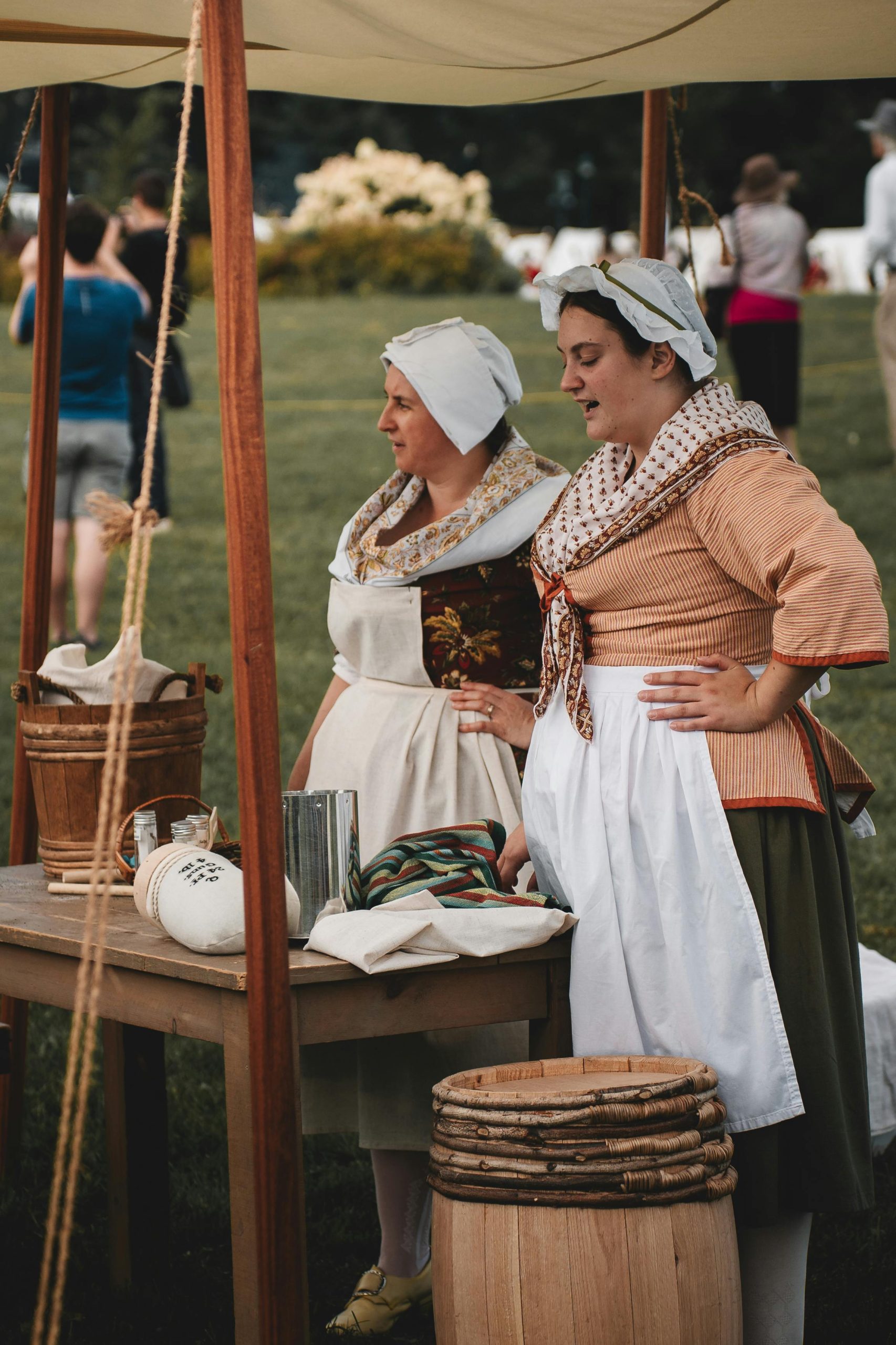
Historical accuracy is one of the most important things for reinactors, for example people who work in Colonial Williamsburg. They are showing you an accurate picture not only of what life was like but also what people wore. It's educational.
There's no room for polyester or modern fabric blends here. Clothing is not only made in a period appropriate way, but also using period appropriate fabrics. Linens, wools and sometimes cottons.
Historically Adequate
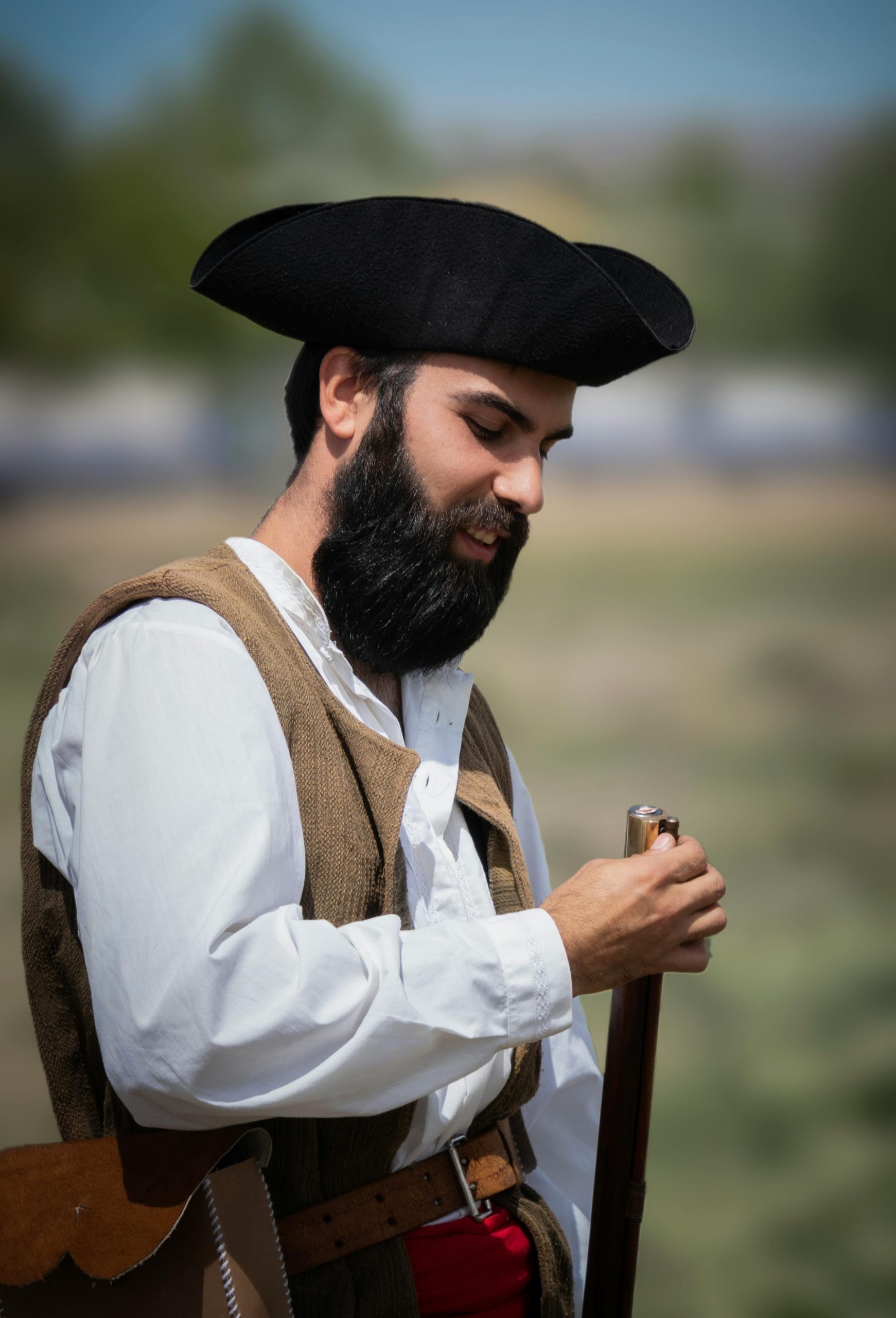
People who may perfer historical garments but aren't needing complete historical accuracy will settle for being adequate. Maybe you love wearing vintage style. A nod to the past time period that you like. Maybe you want to wear historical garments but simply can't afford linens and wools, so you opt for the best affordable options you have.
What's the Controversy?
The controversy comes along when influencers scoff at the historical accuracy of those who are striving to be as historically accurate as possible but must make changes that move away from complete historical accuracy. I've seen it time and again. Many of the so called influencers on social media spouting that if you're not using the expensive materials, self drafting or using patterns that were made from extant garments, you are not valid.
There are good influencers out there that understand the budget constraints of their followers. Many encourage using up what's in your own stash, something you already have and could repurpose. Yet the voices touting strict historical accuracy or don't even bother are the ones most often heard. Sadly many young people have given up trying to create pieces for themselves because they simply cannot have that high a level of supplies.
However there is a good reason that it is highly recommended you use linens, wools and cottons.
It comes down to comfort. People in past eras wore multiple layers of clothing unlike us today. Each piece of clothing served a purpose. The most important purpose being keeping you warm in winter and cool in summer. you see linens, wools and cottons are breathable fabrics. They can wick moisture away from the body which allows airflow.